
City of detroit vacant property registration

Detroit’s ongoing revitalization has brought increased attention to the management of vacant properties across the city.
With thousands of abandoned homes and structures, the city established the Vacant Property Registration Program to monitor, maintain, and ultimately repurpose underutilized land and buildings. This initiative requires owners of vacant lots and structures to register their properties, ensuring accountability and encouraging improvements.
By centralizing data on vacancy, Detroit aims to reduce blight, prevent illegal activity, and promote responsible ownership. The program also supports transparency and urban planning efforts, playing a crucial role in the city’s long-term recovery and sustainable development.
Detroit's Vacant Property Registration Program: A Key Step Toward Urban Revitalization
The City of Detroit has implemented a comprehensive Vacant Property Registration Program to manage the large number of unoccupied residential and commercial structures across the city. With a long history of population decline and economic shifts, Detroit has faced significant challenges related to blight and abandoned properties.
To combat these issues and promote responsible property ownership, the city requires owners of vacant buildings or vacant land to register their properties annually with the Building, Safety Engineering, and Environmental Department (BSEED). This program helps the city maintain accurate records, enforce property maintenance standards, and identify properties eligible for remediation or redevelopment.
Registration is mandatory for any property that has been unoccupied for 12 consecutive months or more, and noncompliance can result in citations, fines, or legal action. By centralizing oversight and increasing accountability, the program plays a crucial role in Detroit’s ongoing efforts to revitalize neighborhoods and improve community safety.
Who Must Register a Vacant Property in Detroit?
Property owners, including private individuals, banks, landlords, and government entities, are required to register a property if it has been continuously unoccupied and unused for 12 months or more. This includes both residential and commercial structures, as well as parcels of vacant land that are part of an abandoned structure site.
The Detroit Vacant Property Registration Ordinance applies regardless of mortgage status or ownership type — even if the property is in foreclosure or owned by an out-of-state entity. Failure to register can lead to civil infractions, fines of up to $500 per day, and possible referral to the Detroit Building Authority for demolition.
The registration ensures the city can contact responsible parties for code enforcement, emergency response coordination, and redevelopment opportunities. It is also essential for properties seeking to qualify for tax abatement programs or public funding for rehabilitation.
| Requirement | Details |
|---|---|
| Eligibility for Registration | Any residential or commercial building vacant for 12 consecutive months, or vacant land previously occupied by a demolished building. |
| Registration Period | Annual renewal required each year on or before December 31. |
| Registration Fee | $300 for the first residential unit; $50 for each additional unit; $500 for commercial properties. |
| Late Fee Penalty | 1.5% per month interest on unpaid fees after December 31. |
| Enforcement Agency | Building, Safety Engineering & Environmental Department (BSEED) and the Property Maintenance Division. |
What Information and Documentation Are Required?
To complete the vacant property registration, owners must submit specific details through the city's online portal or by mail, including the property’s legal address, owner contact information, mortgage holder details (if applicable), and proof of ownership such as a deed or tax statement.
Additionally, owners must provide the date the property became vacant and whether the vacancy was due to demolition, abandonment, or other reasons. For buildings, a condition assessment may be required, especially if the structure shows signs of hazardous deterioration.
The city may also request evidence of ongoing maintenance, such as proof of regular lawn mowing or snow removal. All submissions are verified by BSEED, and falsified information can lead to penalties under city ordinance. Ensuring accurate, up-to-date documentation supports the city’s goal of transparency and accountability in property management.
How Does Registration Impact Property Maintenance and Code Compliance?
Vacant property registration is directly tied to the city’s Property Maintenance Code, which sets minimum standards for the upkeep of unoccupied buildings and lots.
Registered property owners must secure their structures by boarding up windows and doors, maintaining weather-tight roofs, and preventing debris accumulation. Open or collapsed structures are considered violations and may trigger immediate enforcement actions. For vacant land, owners must keep grass and weeds under 10 inches and remove trash or construction materials regularly.
The city conducts periodic inspections, and failure to meet these requirements can result in notices of violation, fines, and even forced boarding or demolition at the owner’s expense. Registration ensures that owners remain legally responsible for their properties, helping to reduce health hazards, crime risks, and neighborhood decline.
Guide to Detroit Vacant Property Registration: Requirements and Process
What is Detroit's vacant property registration and why is it required?
What Is Detroit's Vacant Property Registration Program?
- Detroit's Vacant Property Registration Program is a city-mandated initiative that requires owners of vacant residential or commercial buildings and vacant land to register their properties with the Detroit Building Authority (DBA). This system helps the city maintain accurate records of unoccupied or undeveloped properties across its neighborhoods.
- The registration process collects essential information such as the owner’s contact details, property condition, plans for maintenance or redevelopment, and sources of funding if applicable. This enables the city to better monitor property conditions and establish communication with responsible parties.
- Registration does not imply ownership transfer or city ownership; rather, it ensures accountability and transparency. The program applies not only to structures that are boarded up or abandoned but also to empty lots that may pose safety or environmental risks if left unattended.
Why Is Vacant Property Registration Required in Detroit?
- The primary reason for requiring registration is public safety. Vacant properties can become hazards due to structural deterioration, illegal dumping, trespassing, arson, or use for illicit activities. By identifying and monitoring these sites, the city aims to reduce risks to nearby residents and emergency responders.
- Registration helps the city enforce compliance with existing housing and property maintenance codes. Property owners who fail to register or maintain their vacant lots and buildings may face fines or administrative hearings, encouraging responsible ownership and discouraging neglect.
- It also supports economic revitalization efforts. By compiling a comprehensive database of vacant properties, the city can prioritize blight removal, plan for redevelopment, and target resources more efficiently—ultimately contributing to neighborhood stabilization and growth.
Who Must Register and How Does the Process Work?
- Any individual, corporation, or entity that owns a vacant residential building, commercial structure, or vacant land within Detroit city limits must register the property. This requirement applies regardless of whether the property is tax-delinquent, in foreclosure, or fully owned and maintained.
- The registration process is conducted online through the Detroit Vacant Property Registry portal managed by the DBA. Property owners must provide identifying information, proof of ownership, current condition reports, and a maintenance plan, and pay a registration fee that varies based on property type and size.
- Registrations are valid for one year and must be renewed annually. Failure to renew or comply with registration requirements can result in penalties, including daily fines, administrative citations, and potential referral to the Wayne County Land Bank for disposition or redevelopment under blight removal programs.
Is a certificate of occupancy required when registering a vacant property in Detroit?
A certificate of occupancy is not required when registering a vacant property in Detroit, but other compliance steps are necessary.
Property registration in Detroit is primarily managed through the buildings, safety engineering, and environmental department (BSEED), and the focus for vacant properties centers on safety, maintenance, and legal accountability. While a certificate of occupancy verifies that a building is suitable for habitation and complies with safety codes, it is typically issued after rehabilitation or new construction.
Since a vacant property may not be occupied or actively used, the city does not mandate a certificate of occupancy at the time of registration. However, property owners must ensure the building meets exterior maintenance standards, pay applicable fees, and address any code violations to remain in good standing with the city.
What Is the Purpose of Property Registration in Detroit?
- The primary purpose of property registration in Detroit is to ensure that all buildings, including vacant ones, are under responsible ownership and meet minimum maintenance standards. This system allows the city to track ownership and hold owners accountable for safety, sanitation, and structural integrity.
- Registration helps the city identify blighted or neglected properties and take corrective action when necessary. It supports code enforcement efforts by maintaining an updated database of property conditions and contact information for owners.
- Vacant properties must be registered annually, and failing to do so can result in fines or administrative hearings. Registration does not imply the property is habitable, but rather confirms that the owner is compliant with reporting and maintenance requirements.
When Is a Certificate of Occupancy Required in Detroit?
- A certificate of occupancy is required in Detroit when a new building is constructed, when a property undergoes significant renovation, or when a previously vacant or non-compliant building is prepared for occupancy. This certification confirms the structure meets building, fire, and electrical codes.
- Property owners seeking to rent, sell, or legally occupy a building must obtain a certificate of occupancy before moving forward. This process involves inspections by BSEED officials to verify compliance with current safety regulations.
- If a vacant property is being rehabilitated for residential or commercial use, the owner must apply for and receive a certificate of occupancy before tenants can legally occupy the space, regardless of whether the property was previously registered as vacant.
What Are the Requirements for Registering a Vacant Property in Detroit?
- Property owners must submit a registration application to the Detroit Buildings, Safety Engineering, and Environment Department (BSEED), including proof of ownership, contact details, and information about the property’s condition.
- A registration fee is required, which varies based on property size and classification. There may also be additional fees if the property has outstanding violations or is deemed blighted.
- Owners must ensure the vacant property complies with exterior maintenance codes, such as securing windows and doors, maintaining the lot (e.g., mowing grass), and preventing debris accumulation. Failure to meet these standards can lead to citations or fines.
What is the connection between the Detroit property tax scandal and the city's vacant property registration program?
Origins of the Detroit Property Tax Scandal
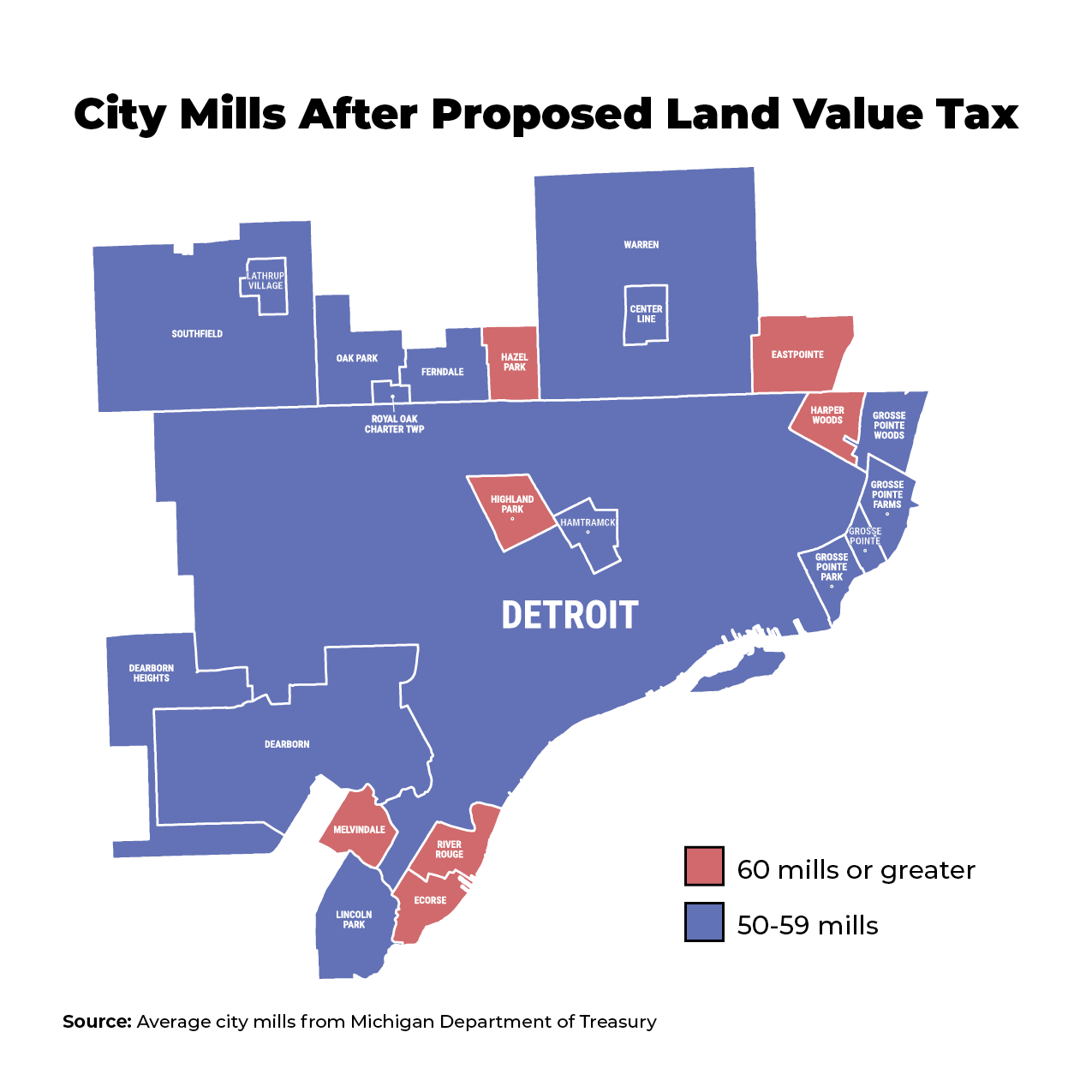
- The Detroit property tax scandal emerged in the early 2010s when widespread inaccuracies were discovered in the city’s property assessments. Investigations revealed that the tax assessment system was deeply flawed, with properties being overvalued or undervalued based on inconsistent criteria, political influence, and lack of oversight. This systemic failure disproportionately impacted low-income residents and small property owners.
- One of the central figures in the scandal was the former Director of the Detroit Assessor’s Office, who was later charged with corruption-related offenses. It was found that select property owners, including wealthy developers, received preferential treatment through lower assessments, reducing their tax burdens while others paid significantly more than their fair share.
- The scandal led to a loss of public trust and prompted a court-ordered reassessment of all city properties. This reassessment aimed to bring fairness to the system but also exposed how deeply entrenched corruption had undermined tax equity across the city.
Implementation and Purpose of the Vacant Property Registration Program
- In response to the overwhelming number of abandoned buildings and vacant lots, Detroit established the Vacant Property Registration Program to monitor and manage neglected properties. The goal was to improve neighborhood safety, hold absentee owners accountable, and leverage data to inform code enforcement and redevelopment efforts.
- Under the program, owners of vacant residential and commercial properties must register them annually with the city, providing contact information, proof of insurance, and a plan for maintenance. Failure to register results in fines and potential liens against the property.
- The program also integrates with broader city initiatives, such as demolition funding and land reuse planning. By tracking vacancy, Detroit aims to prevent further decay and facilitate strategic investment in blighted areas, especially in communities historically impacted by disinvestment.
Overlap Between Tax Irregularities and Vacant Property Accountability
- The property tax scandal indirectly contributed to the increase in vacant and abandoned properties by distorting the real estate market. Unfair assessments led to unaffordable tax bills for some residents, forcing foreclosures and property abandonment, while under-assessed commercial holdings allowed investors to hold blighted properties without pressure to redevelop or maintain them.
- As the city sought to establish accountability through the vacant property registration program, officials encountered a backlog of properties with unclear ownership—many linked to the tax scandal’s fallout. These properties often had outdated or fraudulent assessment records, complicating efforts to identify responsible parties for registration and compliance.
- The city leveraged data from the reassessment process to improve the accuracy of the vacant property registry. By aligning updated ownership and valuation data with registration requirements, Detroit aims to close loopholes that previously allowed negligent owners to evade responsibility, thereby connecting tax reform efforts with urban blight reduction strategies.
Frequently Asked Questions
What is the Vacant Property Registration Program in Detroit?
The Vacant Property Registration Program in Detroit requires owners of vacant residential or commercial properties to register them with the city. The goal is to improve safety, reduce blight, and ensure properties are properly maintained. Registration includes providing owner contact information, maintenance plans, and paying a fee. This helps the city track vacant buildings, enforce codes, and engage owners in responsible property management to support neighborhood revitalization.
Who must register a vacant property in Detroit?
Property owners with residential or commercial buildings that have been unoccupied for 30 or more consecutive days must register with the City of Detroit. This includes landlords, banks, and absentee owners. Properties deemed unsafe or under foreclosure are also required to comply. Failure to register may result in fines or enforcement actions. Registration ensures the city can contact responsible parties and monitor the condition of vacant structures for public safety.
How do I register a vacant property in Detroit?
To register a vacant property in Detroit, visit the Building, Safety Engineering & Environment (BSEED) Department’s website or office. Complete the application form, provide proof of ownership, submit a maintenance plan, and pay the required fee. The process can be done online or in person. Once submitted, the city reviews the application and issues a registration certificate. Owners must renew registration annually or when ownership changes.
What happens if I don’t register my vacant property in Detroit?
Failure to register a vacant property in Detroit can result in fines up to $500 per violation, plus additional penalties for continued non-compliance. The city may also take enforcement actions, such as emergency boarding or demolition, with costs billed to the owner. Unregistered properties are prioritized for inspection and legal proceedings. Registering helps avoid penalties and shows commitment to maintaining property standards and community safety.
Leave a Reply