
Department of registrar of companies and intellectual property

The Department of Registrar of Companies and Intellectual Property plays a vital role in fostering a transparent and efficient business environment. Tasked with the registration and regulation of companies, as well as the protection of intellectual property rights, this institution ensures legal recognition and security for entrepreneurs and innovators.
By maintaining comprehensive records of corporate entities and intellectual assets such as trademarks, patents, and copyrights, it supports economic growth and encourages investment. The department also promotes compliance with national laws, enhances corporate accountability, and safeguards creators' rights, forming a cornerstone of modern commerce and innovation within the country.
Overview of the Department of Registrar of Companies and Intellectual Property
The Department of Registrar of Companies and Intellectual Property is a government agency primarily responsible for the regulation, registration, and oversight of corporate entities and intellectual assets within a jurisdiction.
This department ensures legal compliance by maintaining official records of business incorporations, partnerships, and changes in corporate structure, while also safeguarding intellectual property rights such as trademarks, patents, and copyrights.
By providing transparent and accessible registration services, the department promotes investor confidence, protects ownership rights, and supports economic development. It acts as a central authority for verifying the legitimacy of businesses and intellectual works, playing a critical role in the legal and commercial infrastructure of the country.
Functions of the Companies Registry Division
The Companies Registry Division within the Department of Registrar of Companies and Intellectual Property is tasked with the incorporation and regulation of businesses, including local and foreign companies, limited liability partnerships, and nonprofit organizations. It oversees the filing of annual returns, changes in directorship or shareholding, and dissolution of companies, ensuring adherence to corporate laws and regulations.
The division maintains a public database that allows stakeholders to verify the legal status and ownership structure of registered entities, thereby enhancing transparency and reducing the risk of fraud. Access to accurate and up-to-date company information supports due diligence processes, facilitates business transactions, and strengthens market integrity.
Role in Intellectual Property Protection
The Intellectual Property Division of the department is responsible for administering legal protections for inventions, brands, and creative works through the registration of patents, trademarks, industrial designs, and copyrights. By granting exclusive rights to creators and innovators, this division incentivizes research and development while preventing unauthorized use or imitation of protected works.
Application processes are standardized to ensure fairness, and the registry provides searchable databases to check the availability and status of intellectual property rights. This system supports technological advancement, brand development, and artistic expression by offering legal recourse in cases of infringement, thereby fostering a competitive and innovative economy.
Electronic Services and Public Access
To improve efficiency and accessibility, the Department of Registrar of Companies and Intellectual Property offers a range of online services for business and IP registration, document filing, and public inquiries. Through its e-registration portal, users can incorporate companies, file annual returns, register trademarks, and pay fees securely without physical visits.
Digital platforms also provide certified copies of documents and real-time updates on application statuses, significantly reducing processing times and administrative burdens. These electronic services enhance transparency, support remote engagement, and align the department with global best practices in public service delivery and digital governance.
| Service Category | Key Functions | Benefits to Public |
|---|---|---|
| Company Registration | Incorporation of local and foreign companies, changes in corporate structure, annual compliance | Legal recognition of businesses, clear ownership records, compliance with corporate law |
| Intellectual Property Registration | Registration of trademarks, patents, copyrights, and industrial designs | Exclusive rights to creators, protection against infringement, support for innovation |
| E-Services Platform | Online filing, document retrieval, payment processing, status tracking | 24/7 access, reduced processing time, lower administrative costs, enhanced transparency |
Guide to the Department of Registrar of Companies and Intellectual Property
How to verify a company's registration status through the Registrar of Companies and Intellectual Property?

To verify a company's registration status through the Registrar of Companies and Intellectual Property (RCIP), individuals or entities typically need to access the official online registry or visit the RCIP's physical office.
Most jurisdictions with a centralized corporate registry allow public access to basic company information, such as registration number, legal name, incorporation date, status (active, dissolved, or struck off), and sometimes the names of directors or registered agents.
Verification can be done by entering the company’s name or registration number into the official search portal. In some cases, a small fee may be required to access more detailed records. It is important to ensure that the website used is the official government-operated portal to avoid misinformation or fraud.
Accessing the Official RCIP Online Portal
- Begin by identifying the correct website for the Registrar of Companies and Intellectual Property in the relevant country or jurisdiction, as each nation has its own registry system and online platform.
- Look for a public search or e-services section on the website, which typically allows users to perform company name or registration number searches.
- Enter the required information, such as the full legal name of the company or its unique registration number, and follow the prompts to retrieve the registration status and related details.
Understanding the Company Information Provided
- Once the search results are displayed, review key details such as the company’s legal name, registration number, date of incorporation, and current status (active, inactive, or dissolved).
- Check for additional information like the registered office address, nature of business, list of directors or officers, and any filings or annual returns submitted to the registry.
- Assess whether the company is compliant by verifying if it has filed necessary documents and paid required fees, which is often indicated by an “active” status and up-to-date filing history.
Obtaining Certified Documents from the RCIP
- If formal verification is needed—for legal, banking, or contractual purposes—request a certificate of incorporation or certificate of good standing from the RCIP.
- Submit a formal application through the online portal or in person, providing the company’s registration details and paying any applicable service fees.
- Receive the certified document either electronically or by mail, which can then be used as official proof of the company’s registration and operational status.
What does the Department of Registrar of Companies and Intellectual Property do?
Corporate Registration and Oversight
The Department of Registrar of Companies and Intellectual Property is responsible for the registration, regulation, and oversight of corporate entities operating within the jurisdiction. This includes registering new companies, maintaining official records of business structures, and ensuring ongoing compliance with legal and reporting requirements.
- It processes applications for incorporation, handling various business forms such as sole proprietorships, partnerships, limited liability companies, and corporations.
- The department maintains a comprehensive database of registered companies, providing public access to company details like directors, shareholders, registered addresses, and financial statements where required.
- It enforces regulatory compliance by requiring periodic filings, such as annual returns and changes in directorship or ownership, to ensure companies remain active and transparent.
Intellectual Property Protection and Management
A major function of the department involves the administration and protection of intellectual property rights, including trademarks, patents, industrial designs, and copyrights. It provides a formal legal framework that enables creators and businesses to secure exclusive rights to their innovations and creative works.
- The department examines and registers trademark applications, ensuring they meet legal standards and do not conflict with existing marks.
- It facilitates the patent application process, which includes the technical and legal review of inventions to confirm novelty, utility, and non-obviousness before granting patent protection.
- For industrial designs and copyrights, the department maintains official registries that document ownership and creation dates, helping resolve disputes and protect rightful owners.
Public Record Maintenance and Access
The department ensures transparency and legal certainty by maintaining authoritative public records related to both corporate entities and intellectual property assets. These records are crucial for business transactions, legal proceedings, and market integrity.
- It operates an official registry that stores digitized documents and filings, enabling secure and efficient access for government agencies, legal professionals, and the public.
- Citizens and businesses can conduct official searches to verify company legitimacy, check trademark availability, or assess patent status before entering agreements or launching products.
- By providing authenticated certified copies of documents, the department supports legal recognition of corporate and intellectual property rights in domestic and international contexts.
What is a certificate of registration from the Registrar of Companies and Intellectual Property?
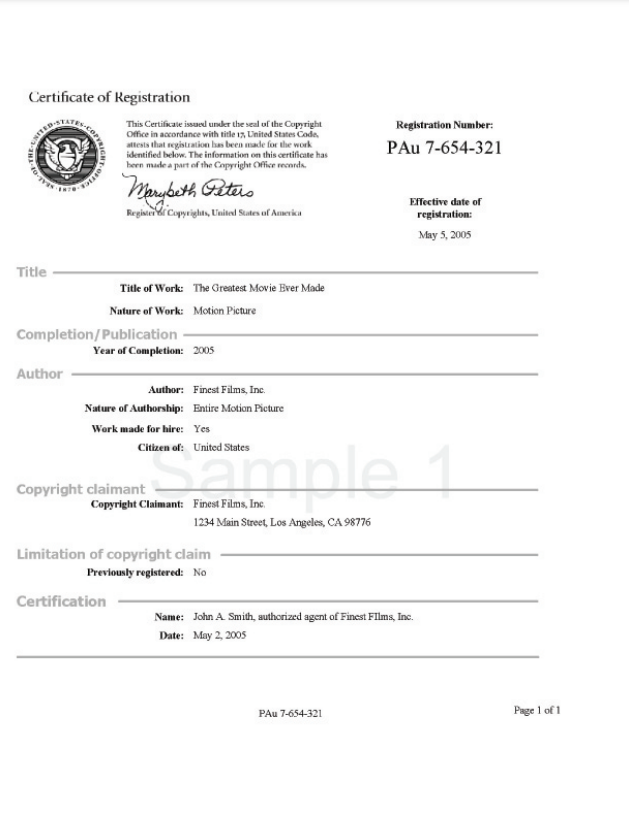
A certificate of registration issued by the Registrar of Companies and Intellectual Property is an official document that confirms the legal existence and registration of a business entity or intellectual property right within a specific jurisdiction.
This certificate serves as proof that the company, partnership, or intellectual property such as a trademark, patent, or copyright has been formally recorded and recognized by the relevant government authority.
The document typically includes key details such as the name of the entity or asset, registration number, date of registration, and the legal status under applicable laws. It is often required during banking procedures, legal proceedings, licensing applications, or when engaging in formal business transactions.
What Information Does the Certificate of Registration Contain?
- The certificate includes the full legal name of the registered entity or the designated title of the intellectual property, ensuring clarity and legal identification.
- It features a unique registration number assigned by the Registrar, which allows for tracking and verification in official databases.
- Dates of incorporation or registration are clearly stated, providing an official timeline for the entity’s legal existence or the intellectual property’s protection period.
Why Is the Certificate of Registration Important?
- It serves as primary evidence of legal recognition, enabling the entity to enter into contracts, open bank accounts, or apply for licenses and permits.
- For intellectual property, the certificate confirms ownership rights, helping to deter infringement and supporting enforcement actions in court.
- Third parties, such as investors or regulatory agencies, often require this document to verify authenticity and compliance with national regulations.
How Is the Certificate of Registration Obtained?
- An application must be submitted to the Registrar of Companies and Intellectual Property, including required documentation like articles of incorporation or detailed intellectual property specifications.
- Applicants are required to pay prescribed fees and meet specific legal and procedural requirements before approval is granted.
- Once processed, the Registrar issues the certificate, which can usually be accessed in physical or digital format through official channels.
Frequently Asked Questions
What services does the Department of Registrar of Companies and Intellectual Property provide?
The department handles company registrations, intellectual property protection (such as trademarks, patents, and copyrights), and maintains official records of businesses and IP rights. It ensures legal compliance, issues certificates, and provides public access to registered information.
Businesses rely on it for establishing legal identity and safeguarding innovations. The department also advises on regulatory requirements and supports transparency in commercial activities through accurate registration and documentation processes.
How can I register a company with the Registrar of Companies?
To register a company, submit required documents such as the memorandum and articles of association, identification of directors and shareholders, and the registered office address.
Applications are typically filed online through the department’s portal, along with the applicable fees. Once verified, the Registrar issues a certificate of incorporation. Ensure all information is accurate and complies with national regulations to avoid delays or rejection during the registration process.
What types of intellectual property can be registered through this department?
The department allows registration of trademarks, patents, industrial designs, and copyrights. Trademarks protect brand identifiers like logos and names, while patents cover inventions.
Industrial designs safeguard the visual design of objects, and copyrights protect original literary, artistic, and creative works. Registering IP grants legal ownership, enables enforcement against infringement, and supports commercialization. Each type follows specific application procedures and requirements set by the department.
How do I check if a company or trademark is already registered?
You can search the department’s official online database to verify company or trademark registrations. For companies, access the public registry using the company name or registration number.
For trademarks, use the trademark search tool with keywords, logos, or classification codes. These searches help confirm availability and avoid duplication. While basic searches are often free, detailed reports may require a nominal fee and official verification for legal purposes.
Leave a Reply