
How to find a lawyer in another state

Finding a lawyer in another state can seem challenging, especially when navigating different legal systems and licensing requirements. State laws vary significantly, and attorneys are typically licensed to practice only in the state where they passed the bar exam.
However, with the right approach, locating qualified legal representation across state lines is entirely possible. Whether dealing with a family matter, business dispute, or personal injury case, it’s crucial to identify a licensed professional familiar with local laws. Online legal directories, state bar associations, and referrals from trusted contacts can simplify the search and ensure you connect with competent counsel.
How to Find a Lawyer in Another State
Finding a lawyer in another state can seem challenging, especially when dealing with legal matters that cross state lines, such as real estate transactions, family law issues, or business disputes. However, with the right resources and approach, you can locate qualified legal representation even outside your home state.
The first step is understanding the jurisdictional requirements—each state has its own bar association that licenses attorneys, and while most lawyers are only licensed to practice in their state, some may be licensed in multiple jurisdictions or can seek pro hac vice admission (temporary permission to represent a client in a specific case). Online directories like the American Bar Association’s “Find Legal Help” tool, state bar association websites, and legal referral services can provide verified lists of licensed attorneys.
Additionally, peer recommendations, client reviews, and consultations with local attorneys who may have connections in other states can streamline the search. It’s crucial to verify an attorney’s credentials, experience in the relevant area of law, and standing with the state bar to ensure competence and professionalism.
Check State Bar Association Directories
Every U.S. state has a bar association responsible for licensing and regulating attorneys, and most maintain online directories where you can search for lawyers by name, location, practice area, and license status. These directories are one of the most reliable sources to verify whether a lawyer is in good standing and authorized to practice in that state.
To use these tools effectively, visit the official website of the state’s bar association where legal services are needed—for example, the California State Bar or the New York State Bar Association—and use their “Find a Lawyer” feature.
These platforms often include important details such as the attorney’s years of experience, areas of specialization, disciplinary history, and contact information. Confirming that a lawyer is active and in good standing ensures that you’re working with someone who meets the state’s ethical and professional standards.
Utilize National Legal Directories and Referral Services
National online legal directories such as Martindale-Hubbell, Avvo, and Justia offer comprehensive databases that allow you to search for attorneys across different states based on practice area, location, client reviews, and peer ratings.
These platforms often feature detailed profiles, including educational background, areas of expertise, client feedback, and even peer endorsements or judicial evaluations. Some services also offer free initial consultations or certified legal referral programs, which connect you with pre-screened attorneys who meet specific requirements.
While not all listings are vetted as rigorously as state bar records, these tools are valuable for narrowing down options and comparing multiple lawyers side by side. Always cross-check any information found on third-party sites with the respective state bar to confirm licensure and disciplinary status.
Consider Pro Hac Vice Admission and Local Counsel Rules
In certain situations—particularly when involved in litigation—you may wish to hire an attorney licensed in your home state to represent you in another.
In such cases, many courts allow out-of-state lawyers to appear through a process known as pro hac vice admission, which permits temporary representation in a specific case. However, this is typically only granted if the attorney associates with a local counsel—a lawyer licensed and authorized to practice in the jurisdiction where the court is located.
Local counsel can handle filings, appear in court when necessary, and ensure compliance with local rules and procedures. Understanding these requirements before selecting an attorney can save time and avoid legal complications. Always discuss with your chosen lawyer whether pro hac vice admission is possible and what associated costs or procedural steps may be involved.
| Resource | Key Features | Best For |
|---|---|---|
| State Bar Association Websites | Verified licensure, disciplinary history, contact details | Ensuring an attorney is authorized and in good standing |
| Martindale-Hubbell | Peer reviews, AV Preeminent ratings, practice area filters | Finding highly-rated attorneys with professional recognition |
| Avvo | Client ratings, free Q&A access, fee estimates | Comparing lawyers based on user feedback and availability |
| ABA Legal Referral Directory | State-specific referrals, vetted attorneys, multilingual options | Getting personalized attorney recommendations |
How to Find a Qualified Lawyer in Another State: A Step-by-Step Guide
Can I hire a lawyer licensed in another state for my case?

Yes, it is possible to hire a lawyer licensed in another state for your case, but there are important limitations and procedures involved. Generally, lawyers must be admitted to the bar of the state where they practice law, especially when appearing in court.
However, in certain circumstances, attorneys licensed in one state can represent clients in another state through a process known as pro hac vice admission, which allows them to appear in a specific case with court approval.
This usually requires associating with a local attorney who is licensed in the jurisdiction where the case is being heard. Additionally, for non-litigation matters—such as contract review, estate planning, or legal consultations—geographic licensing restrictions may be more flexible, particularly if the legal advice does not involve court appearances.
When Can a Lawyer from Another State Represent You in Court?
- A lawyer licensed in another state may represent you in court under the pro hac vice rule, which permits temporary admission to practice in a jurisdiction where they are not licensed. This is commonly allowed in civil, criminal, or appellate cases when the out-of-state attorney has specialized expertise relevant to the matter.
- The process typically requires the out-of-state lawyer to partner with a local attorney who is in good standing with the state bar. The local attorney acts as co-counsel and handles administrative duties, such as filing documents and managing court communications.
- Court approval is mandatory, and the petition for pro hac vice admission often includes documentation such as proof of good standing in the home jurisdiction, a filing fee, and sometimes proof of continuing legal education compliance. The court retains discretion to accept or deny the request based on the specifics of the case.
What Are the Limitations of Hiring an Out-of-State Lawyer?
- One major limitation is that an out-of-state lawyer generally cannot file pleadings, appear in hearings, or sign legal documents in a state where they are not licensed unless granted special permission. This restriction ensures that only attorneys familiar with local laws and procedures handle court matters.
- Each state has its own rules regarding out-of-state legal practice, and some jurisdictions impose strict requirements or outright prohibit certain types of representation by non-resident attorneys. For example, states may prohibit the practice of law within their borders by someone not licensed there, even remotely.
- Disciplinary oversight is another concern. If a problem arises with an out-of-state lawyer’s conduct, it may be more complicated to pursue ethical complaints or seek recourse, as the regulatory body governing the attorney may be in a different state with different enforcement procedures.
Are There Situations Where an Out-of-State Lawyer Can Provide Legal Help Without Local Admission?
- Yes, in non-litigation contexts such as advising on federal law, intellectual property, tax, or corporate transactions, lawyers often assist clients across state lines without needing local licensure, especially if the legal advice does not involve court proceedings in that state.
- Some states permit limited representation in administrative matters or before federal agencies—like the U.S. Patent and Trademark Office or the IRS—regardless of the attorney’s home state, as long as they are admitted to practice before those specific bodies.
- With the rise of remote legal services, many attorneys offer consultations or second opinions across state lines, particularly in areas where state law differences are minimal or where clients seek specialized knowledge. However, they must ensure they do not engage in the unauthorized practice of law in the client's state.
What is the typical fee to hire an out-of-state lawyer?
The typical fee to hire an out-of-state lawyer can vary widely depending on the nature of the legal issue, the lawyer's experience, geographic location, and billing structure.
On average, hourly rates for out-of-state attorneys range from $150 to $500 or more per hour. Some lawyers may charge a flat fee for specific services such as contract review or consultation, which can range from $300 to $2,000.
In complex litigation or high-stakes matters, fees may exceed $1,000 per hour. Additionally, clients may be responsible for travel expenses, court filing fees in another jurisdiction, and costs related to coordinating with local counsel. It's essential to obtain a clear fee agreement in writing before proceeding.
Factors That Influence Out-of-State Legal Fees
- The complexity of the legal matter plays a significant role in determining cost—cases involving multi-state litigation or regulatory compliance often require extensive research and coordination, increasing time and fees.
- A lawyer’s experience and reputation can directly impact pricing; partners at large firms in major cities typically charge higher rates than solo practitioners or those in smaller markets.
- Geographic disparities in the cost of living and legal market standards also affect fees; for instance, an attorney based in New York City will likely charge more than one in a rural area of another state.
Common Billing Structures for Out-of-State Representation
- Hourly billing is the most common method, where clients are charged for actual time spent on their case, including phone calls, document review, and travel time if applicable.
- Flat fees are often used for discrete legal services such as drafting a contract, providing a legal opinion, or conducting an initial consultation across state lines.
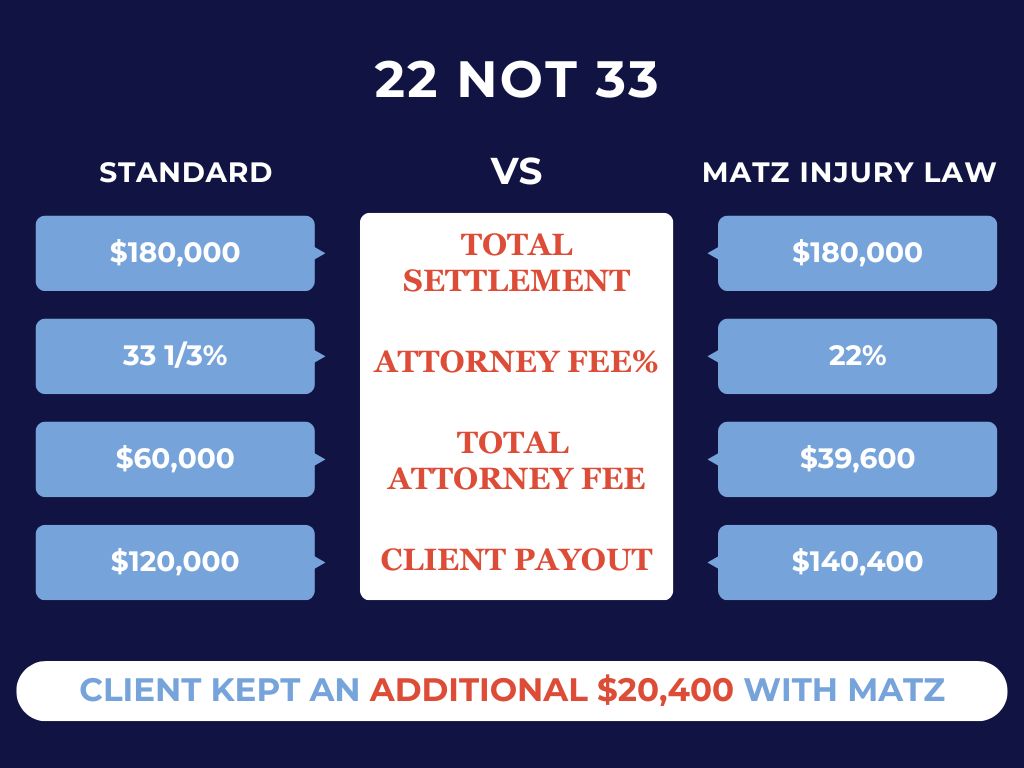
- Contingency fees may apply in certain cases like personal injury or civil litigation, where the attorney receives a percentage (typically 25% to 40%) of the settlement or award, though these arrangements are subject to jurisdictional rules.
Additional Costs When Hiring a Lawyer from Another State
- Travel expenses may be billed separately, especially if in-person appearances are required in court or during meetings, including costs for flights, accommodations, and local transportation.
- Local counsel fees are often necessary when an out-of-state attorney is not licensed to practice in the jurisdiction where the case is being heard, requiring them to partner with a licensed local attorney—which adds to the overall cost.
- Filing fees, expert witness charges, depositions, and document retrieval in another state can accumulate quickly and are typically passed on to the client as reimbursable expenses.
Is $400 per hour typical for a lawyer in another state?
Whether $400 per hour is typical for a lawyer in another state depends on multiple factors including the state, the lawyer’s specialization, level of experience, and the local cost of living.
In high-cost metropolitan areas such as New York City, San Francisco, or Washington, D.C., hourly rates ranging from $350 to $600 or more are not uncommon, especially for attorneys with significant experience in high-demand fields like corporate law, intellectual property, or litigation. In contrast, legal professionals in smaller cities or rural areas may charge substantially less, often between $150 and $300 per hour.
Therefore, while $400 per hour is not unusual in major legal markets, it may be considered high in regions with lower average incomes and overhead expenses. The rate also reflects the attorney's reputation, firm size, and demand for their particular legal expertise.
Factors Influencing Lawyer Hourly Rates Across States
- Geographic location plays a major role—lawyers in large urban centers typically charge higher rates due to increased living expenses, higher overhead costs for office space, and greater demand for legal services. For instance, attorneys in states like California or New York often exceed $400 per hour, particularly in prestigious firms.
- Specialization significantly affects billing rates. Lawyers in niche or complex practice areas such as tax law, white-collar criminal defense, or mergers and acquisitions usually command rates at or above $400 per hour, especially if they have a proven track record or elite credentials.
- Experience and reputation further determine pricing. Senior partners at established law firms with decades of experience may bill at rates well above $500 per hour, whereas recent law school graduates in the same state might charge $150 to $250 per hour, even within the same practice area.
Comparison of Legal Rates in High-Cost vs. Low-Cost States
- In states with high costs of living—such as Massachusetts, Illinois, or California—it is relatively common for experienced attorneys to bill $400 per hour or more. For example, major law firms in Chicago or Boston regularly list associate attorney rates above $375, with partners charging $600 or more in some cases.
- In contrast, in states like Mississippi, Idaho, or Kansas, average hourly rates for similarly experienced lawyers are often in the $200 to $300 range. While $400 per hour would exceed the market average in these areas, it could still be charged by a top-tier, highly specialized attorney with a strong client base.
- Economic disparities between states contribute to these differences. States with lower median incomes and fewer large corporations generally sustain lower legal billing rates, making a $400 hourly fee appear steep and less typical compared to national legal hubs.
How Firm Size and Practice Setting Affect Billing Rates
- Attorneys at large, national, or international law firms are more likely to charge $400 per hour or higher due to their clients' expectations, the complexity of their work, and the firm’s operational costs. These firms often serve corporate clients that can absorb high legal fees.
- Mid-size firms or boutique practices may offer competitive rates to remain accessible, even in expensive regions. A boutique firm in Miami specializing in immigration or family law might charge between $250 and $375, making $400 an outlier unless the attorney has exceptional credentials.
- Solo practitioners or lawyers in public interest roles typically bill significantly less. Even in high-cost areas, many independent lawyers charge under $300 per hour to attract individual clients, small businesses, or those needing affordable legal representation, positioning $400 as a premium rate.
Frequently Asked Questions
How can I find a licensed lawyer in another state?
You can find a licensed lawyer in another state by using your state’s bar association website or national directories like the American Bar Association’s Legal Find Directory. Verify the attorney’s license status through the state’s bar licensing board. Many states also offer online search tools to confirm an attorney’s credentials and check for disciplinary actions, ensuring you hire a qualified and authorized professional.
Can a lawyer from another state represent me in court?
Generally, a lawyer must be licensed in the state where the court is located to represent you. However, they may apply for pro hac vice admission, allowing temporary representation in that state. Approval depends on the court and local rules. The out-of-state lawyer often needs a local attorney to co-counsel. Always confirm with the attorney and court whether they can legally represent you in your case.
Is it safe to hire a lawyer from a different state for my case?
Yes, it can be safe if the lawyer is licensed in the state where your legal issue arises or obtains proper authorization to practice there. Ensure they understand local laws and court procedures. Verify their credentials, check reviews, and confirm they have relevant experience. A consultation can help determine their suitability. Always confirm their legal authority to represent you in the specific jurisdiction.
What should I consider when hiring an out-of-state lawyer?
Consider whether the lawyer is licensed in the state where your case is filed or can gain pro hac vice admission. Evaluate their expertise in the relevant area of law and familiarity with local court rules. Check their communication style, fees, and availability. Confirm they will work with a local attorney if required. Always verify their standing with the state bar and read client reviews before hiring.
Leave a Reply