
Legal advice for property disputes

Property disputes can arise between neighbors, landlords and tenants, or co-owners, often leading to stress, financial loss, and damaged relationships. Whether involving boundary lines, easements, title issues, or tenant rights, understanding the legal framework is essential to protect your interests.
Seeking timely legal advice ensures compliance with local property laws and increases the likelihood of a favorable resolution. This article explores common types of property disputes, outlines key legal principles, and emphasizes the importance of professional legal counsel in navigating complex real estate conflicts efficiently and effectively.
Understanding Legal Advice for Property Disputes
When facing property disputes, obtaining timely and accurate legal advice is crucial to protect your rights and interests. These disputes can arise from various situations such as boundary disagreements, easement conflicts, title defects, landlord-tenant issues, or construction encroachments.
A qualified property attorney can help interpret property deeds, review local zoning laws, and assess relevant case law to build a strong legal position. Early legal intervention may prevent minor disagreements from escalating into costly litigation.
Whether you are dealing with a neighbor’s fence over the property line or a dispute involving shared driveways, legal counsel can guide you through negotiation, mediation, or, if necessary, court proceedings. Understanding your legal standing and the documentation required can significantly influence the outcome of the dispute.
Common Types of Property Disputes
Property disputes come in many forms, each requiring a nuanced understanding of real estate law. Boundary disputes occur when neighboring property owners disagree on where one property ends and another begins, often due to unclear surveys or old fencing.
Encroachment issues arise when a structure like a shed or driveway extends onto another’s land without permission. Easement conflicts involve disagreements over the right to use a portion of property for access, utilities, or drainage.
Other common disputes include adverse possession claims, where someone asserts ownership of land through prolonged use, and title disputes due to errors in property records. Identifying the specific nature of the dispute is the first step in determining the appropriate legal strategy and remedies available.
When to Seek Legal Assistance
Knowing when to consult a legal professional can make a significant difference in resolving a property dispute efficiently. You should seek legal advice as soon as a disagreement arises, especially if it involves property ownership, structural encroachments, or potential litigation.
An attorney can help send a cease and desist letter, initiate mediation, or file a quiet title action if ownership is unclear. Early legal involvement may also preserve crucial evidence, such as photographs, survey records, or witness statements.
Moreover, statutes of limitations may apply to certain claims like adverse possession, so delaying legal counsel could risk losing your rights. Legal professionals can also help interpret complex documents such as deeds, covenants, and zoning regulations, ensuring you fully understand your position before taking action.
Resolving Disputes Through Alternative Methods
Before pursuing a court trial, many property disputes can be effectively resolved through alternative dispute resolution (ADR) methods such as mediation or arbitration.
Mediation involves a neutral third party assisting both sides in reaching a mutually acceptable agreement, preserving neighborly relationships and avoiding the costs of litigation. Arbitration, on the other hand, involves a decision-maker who reviews evidence and issues a binding or non-binding ruling.
These methods are often faster and less formal than court proceedings and allow for creative solutions that a judge may not offer. However, legal advice is still essential during ADR to ensure any agreement protects your rights and is enforceable under property law.
| Dispute Type | Legal Approach | Recommended Action |
|---|---|---|
| Boundary Disagreement | Review of land survey and deed | Consult a land use attorney and obtain a new survey |
| Easement Conflict | Interpretation of easement rights | Determine scope of easement and seek injunctive relief if violated |
| Adverse Possession | Verify continuous use and exclusivity | File a quiet title action to challenge or establish claim |
| Encroachment | Demand removal or negotiate compensation | Send a legal notice and explore settlement options |
Comprehensive Legal Guidance for Resolving Property Disputes
What legal expertise is required for resolving property disputes?
Resolving property disputes requires specific legal expertise due to the complex and varied nature of real estate law. These disputes can arise from boundary disagreements, ownership claims, lease conflicts, or issues related to land use and development.
A qualified legal professional must be well-versed in property law, contract law, land registration systems, zoning regulations, and dispute resolution methods. Such expertise ensures that all parties’ rights are protected, legal documents are correctly interpreted, and resolutions comply with statutory and case law frameworks.
Knowledge of Property and Real Estate Law
- A fundamental understanding of real property rights, including freehold and leasehold interests, easements, covenants, and adverse possession, is essential for accurately assessing a party’s legal standing in a dispute.
- Professionals must interpret deeds, titles, and conveyancing documents to determine the precise boundaries and entitlements associated with a property, often requiring research into historical records.
- They must also be familiar with statutory frameworks such as the Land Registration Act or local real estate legislation, which govern how property interests are created, transferred, and enforced.
Experience in Land Use and Zoning Regulations
- Legal practitioners need expertise in municipal zoning laws and planning permissions, particularly when disputes involve proposed developments, land use changes, or violations of local ordinances.
- They must assess whether a property owner has legally obtained necessary permits and whether neighboring properties’ rights have been compromised by new construction or land modifications.
- In cases involving environmental restrictions or historic preservation, lawyers must navigate overlapping regulatory jurisdictions to ensure compliance and resolve potential conflicts.
Skills in Dispute Resolution and Litigation
- Effective resolution often requires negotiation or mediation, so lawyers must possess skills in alternative dispute resolution (ADR) to help parties reach a settlement without prolonged court proceedings.
- When litigation is unavoidable, attorneys must be proficient in court procedures, evidence presentation, and drafting legal arguments specific to property disputes, including quiet title actions or trespass claims.
- They should also understand how to enforce judgments, such as obtaining eviction orders, partitioning property, or securing financial compensation based on title defects or breach of agreement.
What is the average cost of legal advice for property disputes?
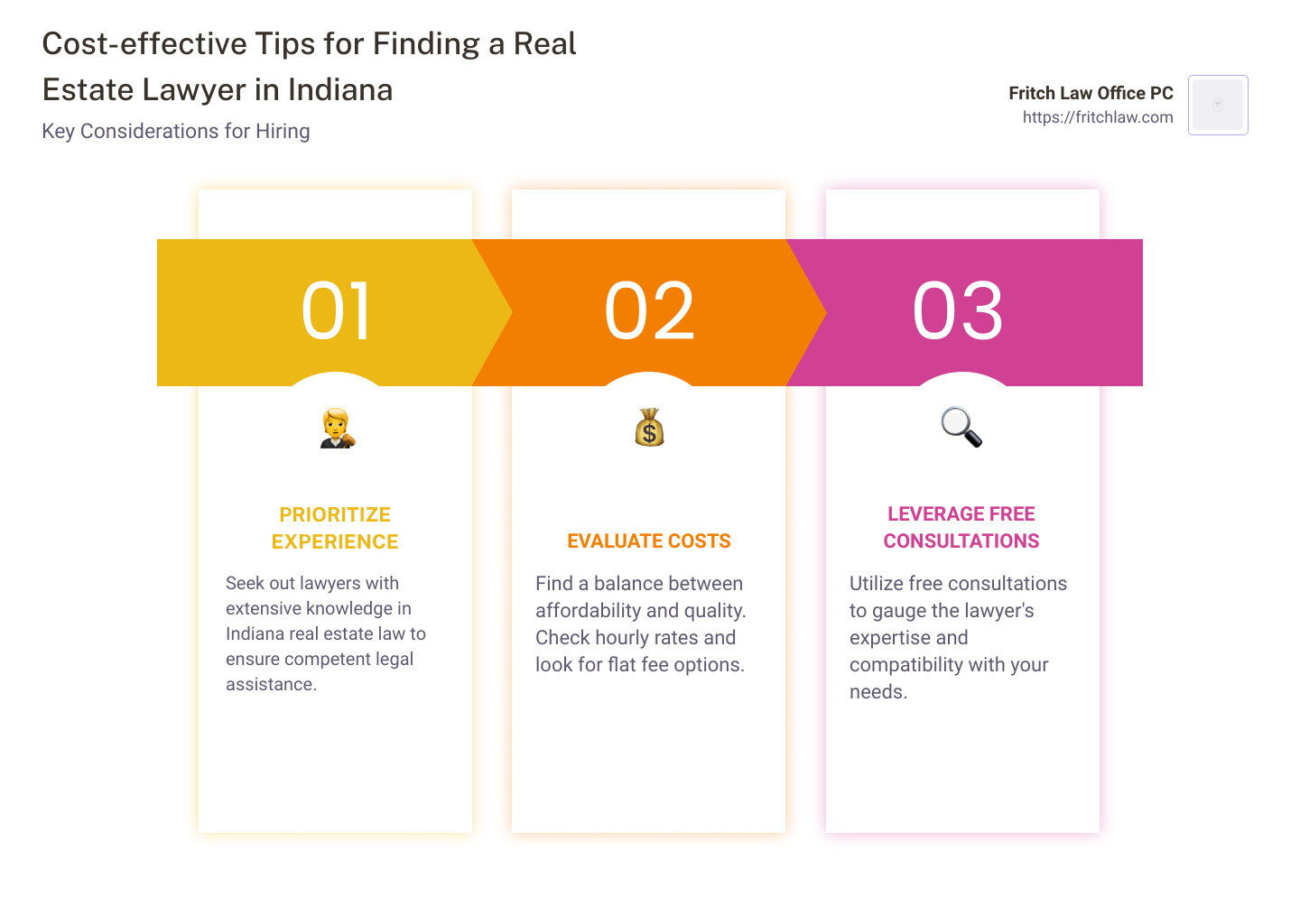
The average cost of legal advice for property disputes can vary significantly depending on several factors, including the complexity of the case, geographical location, the experience level of the attorney, and whether the dispute is resolved through negotiation or requires litigation.
On average, clients may expect to pay anywhere from $150 to $500 per hour for a qualified real estate attorney in the United States. Simple consultations might cost a flat fee of $200 to $300, while full representation in court can accumulate to several thousand dollars. Some lawyers may offer a fixed fee for specific services, such as drafting a demand letter or reviewing a property title.
Additionally, in some jurisdictions, contingency fees may apply if the case involves monetary compensation, such as a claim for damages. Clients should request a fee agreement in writing to avoid unexpected charges and fully understand the billing structure.
Factors Influencing Legal Costs in Property Disputes
- Location plays a critical role; attorneys in major metropolitan areas such as New York or Los Angeles typically charge higher hourly rates compared to those in rural regions due to increased operating costs and demand for legal services.
- The complexity of the dispute significantly impacts cost; straightforward boundary line disagreements or easement issues require less time than intricate cases involving adverse possession, title defects, or zoning violations, which may involve expert witnesses and extended court proceedings.
- The attorney’s experience level is another determinant—junior lawyers may charge $150–$250 per hour, while seasoned real estate litigators with specialized expertise can charge $400–$600 per hour or more.
Common Types of Property Disputes and Associated Legal Fees
- Boundary and survey disputes often involve title searches and land surveys, with initial consultations costing $200–$400 and total representation ranging from $2,000 to $7,000 if mediation or litigation is necessary.
- Easement disagreements, such as rights of way or utility access, may require document review and negotiation, usually costing between $1,500 and $5,000 unless a court order is sought, which increases expenses.
- Tenant-landlord conflicts over property use or damage can sometimes be resolved through letters or small claims court, keeping fees under $1,000, but prolonged litigation may escalate costs to $3,000 or higher.
Ways to Manage and Reduce Legal Expenses
- Obtaining a clear scope of work and written fee agreement before hiring an attorney helps prevent billing surprises; clients should ask whether the fee is hourly, flat-rate, or contingency-based.
- Considering mediation or alternative dispute resolution (ADR) can be significantly cheaper than going to trial, with mediation sessions typically costing $100–$300 per hour split between parties.
- Gathering all relevant documents—such as deeds, surveys, contracts, and correspondence—before meeting with a lawyer reduces billable hours spent on information gathering and case assessment.
Can I receive legal aid for property dispute advice?
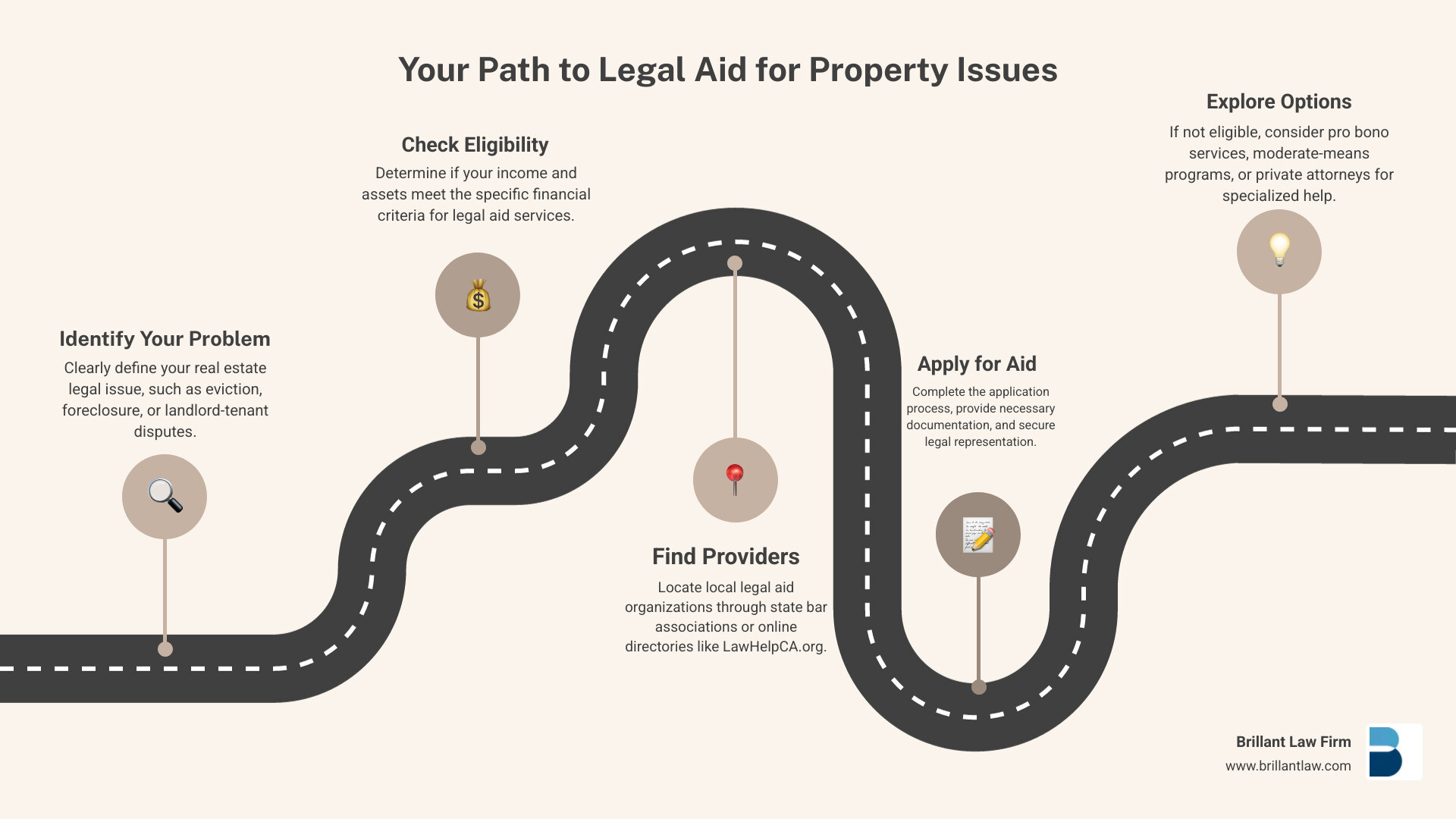
Yes, you may be eligible for legal aid to receive advice on property disputes, depending on your financial circumstances, the nature of the dispute, and the country or jurisdiction in which you reside.
Legal aid systems vary globally, but in many countries—such as the United Kingdom—legal aid is available for certain civil matters, including some housing and property issues. Typically, assistance can cover initial legal advice, representation in court, and help with negotiations.
However, not all property disputes qualify; for instance, commercial property conflicts are often excluded. Eligibility is generally assessed by evaluating your income, savings, and the merits of your case. It is important to consult official legal aid resources or a qualified legal advisor to determine whether your specific situation qualifies for support.
Eligibility Criteria for Property Dispute Legal Aid
- Legal aid for property disputes typically requires individuals to meet strict financial thresholds. These include limits on income, disposable capital, and household savings, which are assessed to determine whether a person can afford private legal representation.
- In some jurisdictions, such as England and Wales, legal aid may only be granted if the case involves issues like homelessness risk, disrepair in social housing, or unlawful eviction. Disputes over property boundaries or neighbor conflicts often do not meet the eligibility bar for state-funded assistance.
- Applicants usually need to provide documentation such as payslips, bank statements, and proof of benefits. Some legal aid providers also conduct a merits test, meaning the case must have sufficient legal strength or public interest to warrant funding.
Types of Property Disputes Covered by Legal Aid
- Legal aid often covers disputes related to tenancy agreements, such as unlawful eviction by landlords, failure to carry out repairs in rental properties, or harassment by property owners. These situations may threaten an individual’s right to safe and secure housing.
- Disputes involving public or social housing, particularly those where tenants face eviction or unsafe living conditions, are more likely to be supported through legal aid than private property ownership disagreements.
- In certain cases, legal aid may extend to boundary disputes or noise and nuisance claims if they are linked to human rights issues or involve vulnerable individuals, such as those with disabilities or victims of domestic abuse.
How to Apply for Legal Aid in Property Cases
- Start by contacting an accredited legal aid provider or using an official government legal aid website to check your eligibility. In the UK, for example, the Legal Aid Agency offers an online eligibility tool and a telephone advice line.
- You will need to complete an application form detailing your financial situation, the nature of the property dispute, and any evidence supporting your claim. This form is reviewed to determine both financial and case merits eligibility.
- If approved, you will be assigned a legal aid lawyer or solicitor who specializes in housing or property law. They can provide advice, draft letters, represent you in court, and assist in negotiations with landlords or property owners.
What legal steps should I take to resolve a property dispute?
Consult a Qualified Real Estate Attorney
- Seek immediate guidance from a licensed attorney who specializes in real estate or property law. These professionals understand local laws, legal precedents, and procedural requirements specific to property disputes.
- Provide your attorney with all relevant documentation, such as deeds, property surveys, contracts, correspondence, and any prior legal notices. This allows them to assess the strength of your claim and identify applicable legal remedies.
- Work closely with your attorney to understand your legal rights, potential outcomes, and the timeline of possible actions, including negotiation, mediation, or litigation.
Attempt Mediation or Alternative Dispute Resolution (ADR)
- Before filing a lawsuit, consider engaging in mediation with the other party through a neutral third-party mediator. This process is generally faster, less expensive, and less adversarial than court proceedings.
- Prepare your evidence and calmly present your case during mediation. A successful session may result in a legally binding agreement that resolves boundary issues, easement rights, or ownership claims.
- If mediation fails, ADR methods such as arbitration may still offer a structured alternative to public litigation, often with more control over the process and outcome.
File a Lawsuit or Initiate Legal Proceedings
- If informal resolution fails, your attorney may recommend filing a formal legal action, such as a quiet title lawsuit, ejectment, or a claim for trespass. This step officially brings the dispute into the court system.
- Ensure that all required legal documents, including complaints, affidavits, and property records, are properly prepared and filed with the correct jurisdiction and within the applicable statute of limitations.
- Participate actively in the discovery process, attend all court dates, and comply with procedural rules while your case is reviewed and decided by a judge or jury.
Frequently Asked Questions
What should I do if I have a property boundary dispute with my neighbor?
Consult a qualified real estate attorney to review property deeds, survey documents, and local laws. They can help clarify legal boundaries and advise on negotiation or mediation. Avoid confrontations and document all communications. In some cases, a professional land survey may be needed. Early legal guidance can prevent escalation and help resolve the issue efficiently and legally.
Can I take legal action if someone is trespassing on my property?
Yes, property owners have the right to take legal action against trespassers. First, attempt to resolve the issue informally if possible. If not, consult a lawyer to send a formal notice or pursue remedies like injunctions or court orders. Document all incidents and communications. Legal action may include civil claims for damages or seeking court intervention to stop ongoing trespassing.
What legal remedies are available for adverse possession claims?
Adverse possession allows someone to claim ownership of land after using it openly and continuously for a set period, typically 10–20 years, depending on the state. To defend against such claims, property owners should monitor their land, address encroachments early, and consult an attorney. Legal remedies include filing a lawsuit to quiet title or seeking a court order to remove the intruder.
How can I resolve a dispute over property access or easements?
Review property deeds and local records to confirm easement rights. If unclear, consult a real estate lawyer to interpret legal documents and assess your rights. Mediation may help reach a mutual agreement. If unresolved, legal action can clarify or enforce easement terms. Clear documentation and professional legal advice are essential to protect access rights and avoid prolonged conflicts.
Leave a Reply