
Can you renew us visa after it expires
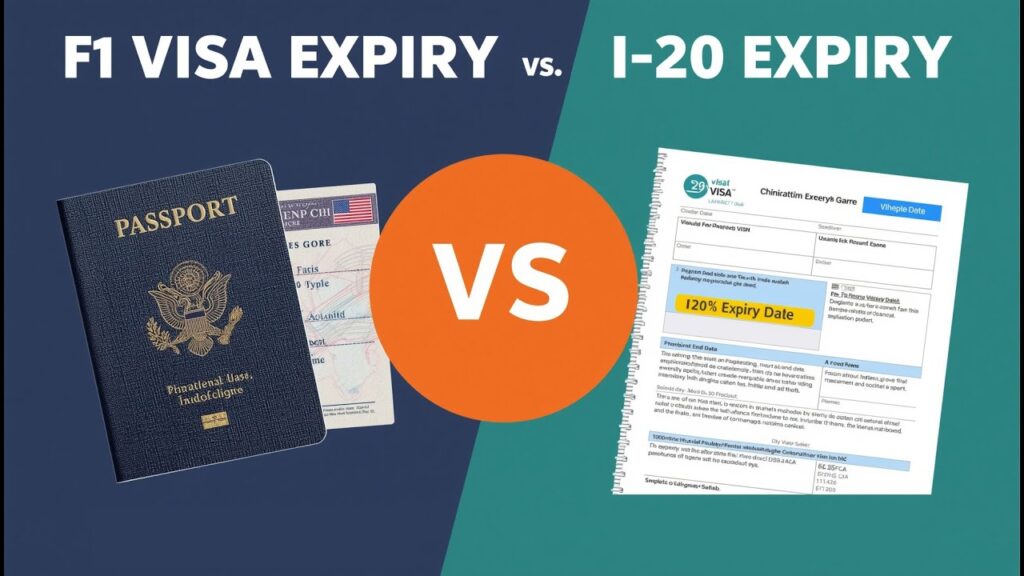
Renewing a U.S. visa after it expires is a common concern for travelers, students, and professionals seeking to maintain legal status or return to the United States.
A visa expiration does not necessarily mean the end of eligibility to enter or stay in the country, but it does require prompt action if further travel is planned. Unlike immigration status, which is determined upon entry, a visa is a travel document that must be valid at the time of arrival.
Individuals must apply for renewal through the U.S. Department of State, typically from their home country or a third country, by submitting forms, attending interviews, and providing supporting documentation.
Can You Renew a U.S. Visa After It Expires?
Yes, you can renew a U.S. visa after it expires, but the process involves reapplying as if it were a new visa application. An expired visa does not automatically grant you permission to enter the United States, and once it is no longer valid, you must complete the full renewal process through the U.S.
Department of State's visa application system. This includes filling out Form DS-160, scheduling a new interview at a U.S. embassy or consulate (unless you qualify for an interview waiver), paying the visa application fee, and submitting the necessary supporting documents.
It's important to understand that visa renewal is not a formality—approval is never guaranteed, and each application is evaluated on its own merits. You may apply for visa renewal at any time before your current visa expires or after it has expired, although it is advisable to begin the process well in advance of your planned travel date to avoid delays.
Understanding the U.S. Visa Renewal Process
The U.S. visa renewal process requires applicants to submit a new DS-160 nonimmigrant visa application form online, regardless of whether they previously held a valid visa. After completing the form, applicants must pay the non-refundable visa application fee, which currently stands at $185 for most nonimmigrant visas, such as tourist (B1/B2), business, or student visas.
Applicants must then schedule an interview at a U.S. embassy or consulate in their home country, although some individuals—like those renewing a visa of the same type within 12 months of its expiration—may qualify for an interview waiver depending on their location and nationality.
During the interview, applicants must demonstrate that they meet all the requirements for the visa category, including strong ties to their home country, a legitimate purpose for visiting the U.S., and the intent to return home after their temporary stay.
Eligibility Criteria for Renewing an Expired U.S. Visa
To be eligible for renewing an expired U.S. visa, applicants generally must have previously been issued a nonimmigrant visa that was not canceled or revoked, and they must be applying for the same visa classification.
For instance, if you previously held a B1/B2 tourist visa, you can apply for another B1/B2 visa. Most applicants must also be citizens or residents of the country where they are applying, and they must not have any new criminal convictions or immigration violations since their last visa approval.
Additionally, individuals under the age of 14 or over 80 may qualify for special procedures in certain countries, and those renewing within 12 months of their previous visa’s expiration may be eligible for an interview waiver through the Visa Waiver Program or country-specific reciprocity agreements. However, applicants who were refused a visa in the past or have changed personal circumstances (such as switching jobs or applying for a different visa type) must attend a new interview.
Necessary Documents for U.S. Visa Renewal
When renewing a U.S. visa after expiration, applicants must provide several essential documents to support their application. These include a valid passport (valid for at least six months beyond the intended stay in the U.S.), a completed DS-160 confirmation page, the appointment confirmation, a photograph that meets U.S. visa specifications, and the prior U.S. visa (if available).
Additional supporting documents may include proof of financial stability, such as recent bank statements or employment letters, documents showing strong family or economic ties to the home country, travel itinerary, and, in some cases, a letter explaining the purpose of the visit.
For student or work visa renewals, updated I-20 or DS-2019 forms, or employer sponsorship documents, may also be required. Having these documents organized and accurate significantly improves the chances of a successful visa renewal outcome.
| Document | Purpose | Notes |
|---|---|---|
| DS-160 Confirmation Page | Proof of completed visa application | Must be the most current submission |
| Passport (Valid 6+ Months) | Travel and identity verification | Must include old U.S. visa, if available |
| Visa Application Fee Receipt | Proof of payment for processing | Non-refundable; amount varies by visa type |
| Appointment Confirmation | Scheduled interview documentation | Required even for interview waivers |
| Photo (5x5 cm, White Background) | Identification on visa | Must follow U.S. State Department guidelines |
| Proof of Ties to Home Country | Demonstrate intent to return | E.g., property deeds, job letter, family records |
Understanding the Process of Renewing a U.S. Visa After Expiration
Renewing a U.S. visa after it expires requires careful attention to eligibility, application procedures, and timing. While a visa expiration does not necessarily mean a person must leave the United States immediately—especially if their legal status is still valid—it does affect their ability to re-enter the country after international travel.
To renew a U.S. visa, individuals must generally apply through the U.S. Department of State by submitting Form DS-160, scheduling a consular interview (unless eligible for interview waiver), providing biometrics, and paying the required visa application fee. The process takes place at a U.S. embassy or consulate in the applicant’s home country or a country where they are legally present.
Each visa category—such as B1/B2, F-1, H-1B, or L-1—has unique requirements, and expiration dates on the visa do not impact current lawful status inside the U.S., only re-entry rights. It's crucial to apply well before planned travel to allow time for processing delays or requests for additional documentation.
Eligibility Requirements for Renewing an Expired U.S. Visa
To be eligible for renewing an expired U.S. visa, applicants must meet several criteria depending on the visa type and individual circumstances. Most importantly, the visa being renewed must be of the same classification as the previous one, and applicants must not have violated the terms of their prior admission.
Certain nonimmigrant visas, like B1/B2 or F-1, often allow renewal even after expiration, provided the individual is applying in their home country or a country where they maintain legal residence. Some applicants may qualify for a visa interview waiver under the Interview Waiver Program (IWP) if they are renewing a visa of the same category and it was issued within the past 12 months (or up to 48 months in specific countries).
Key factors such as prior immigration violations, criminal history, or changes in travel purpose can disqualify applicants, making it essential to review current eligibility thoroughly before submitting a new application.
Differences Between Visa Expiration and Legal Status in the U.S.
A common misunderstanding is equating a visa’s expiration date with lawful presence in the United States. In reality, a visa is solely an entry document, meaning that once admitted, an individual’s authorized stay is determined by U.S.
Customs and Border Protection (CBP) at the port of entry, as noted on Form I-94. Therefore, it’s possible for someone to have an expired visa but still maintain valid immigration status—such as F-1 student status or H-1B worker status—as long as they comply with the conditions of their stay.
However, if the individual leaves the U.S., they will need a valid visa to return, even for a short trip to Canada or Mexico. This distinction underscores why timely visa renewal is critical for those planning international travel while maintaining long-term residence or employment in the United States.
Steps to Renew a U.S. Visa After It Expires
Renewing an expired U.S. visa involves several structured steps that must be followed precisely. First, applicants must complete the DS-160 form online, ensuring all information matches their current and previous visa records.
After submission, they must pay the non-refundable application fee and schedule an appointment at a U.S. embassy or consulate. Most applicants are required to attend an in-person visa interview, although some may qualify for an interview waiver based on age, visa history, or government program participation.
During the interview, consular officers assess ties to the home country, the purpose of the visit, and overall eligibility. Applicants must bring essential documents, such as a valid passport, prior visa, I-797 (if applicable), and proof of employment or enrollment. Approval leads to visa issuance, but processing times vary by location and visa type, so early application is strongly advised.
Traveling Abroad with an Expired U.S. Visa
Traveling outside the United States with an expired visa—even if legal status remains valid—complicates re-entry because a valid visa is required for admission after international trips. For example, a student on F-1 status with an expired visa cannot return to the U.S. after visiting home unless they successfully renew their visa beforehand.
Similarly, H-1B workers returning from vacation need a valid visa stamp to resume employment. Exceptions exist for certain travelers under the Visa Waiver Program or when re-entering under automatic visa revalidation rules for brief trips to Canada, Mexico, or adjacent islands, provided the original visa has not been canceled and the stay does not exceed 30 days.
Otherwise, individuals must apply for a new visa stamp at a U.S. consulate abroad before returning, bearing in mind potential delays and the need to demonstrate nonimmigrant intent.
Common Reasons for Denial of U.S. Visa Renewal
U.S. visa renewals can be denied for a variety of reasons, even if the applicant previously held a valid visa. One of the most frequent causes is failing to demonstrate strong ties to the home country, which leads consular officers to suspect potential immigration intent.
Other reasons include incomplete or inconsistent information on the DS-160 form, lack of financial support documentation, past overstays in the U.S., or criminal inadmissibility. Additionally, changes in the applicant’s employment, education, or personal circumstances may raise concerns if not properly explained.
Being denied a renewal can impact future travel plans and may require applicants to address the grounds of inadmissibility before reapplying. Providing accurate, well-organized documentation and preparing effectively for the interview can significantly increase the chances of a successful renewal outcome.
Frequently Asked Questions
Can I renew my U.S. visa after it expires?
Yes, you can renew your U.S. visa after it expires. There is no requirement to renew it before it expires. You must apply for a new visa through the same process as your initial application, including completing the DS-160 form, paying the fee, and attending an interview at a U.S. embassy or consulate, typically in your home country.
Do I need to leave the U.S. if my visa expires?
No, you do not need to leave the U.S. immediately if your visa expires, as long as your immigration status remains valid. A visa only allows entry into the U.S. Your stay is governed by your admission status at the port of entry, shown on your I-94 record. You can stay legally as long as your status (like student or work) is valid, even if the visa has expired.
Can I renew my U.S. visa while I'm in the United States?
No, you cannot renew a U.S. visa while inside the United States. Visa renewals must be processed at a U.S. embassy or consulate abroad, usually in your home country. If your visa expires while you're in the U.S., you can stay as long as your authorized status is valid, but you'll need a valid visa to re-enter the U.S. after traveling abroad.
How early can I renew my U.S. visa before it expires?
You can apply to renew your U.S. visa up to one year before it expires. There’s no need to wait for it to expire. Applying early ensures you maintain continuity, especially if you plan to travel. If approved, the new visa will extend your travel eligibility. Note that having a valid visa doesn’t guarantee entry into the U.S.—that decision is made at the port of entry.
Leave a Reply